Supreme Court Likely To Revive Obama-Era Rule on Asylum-Seekers
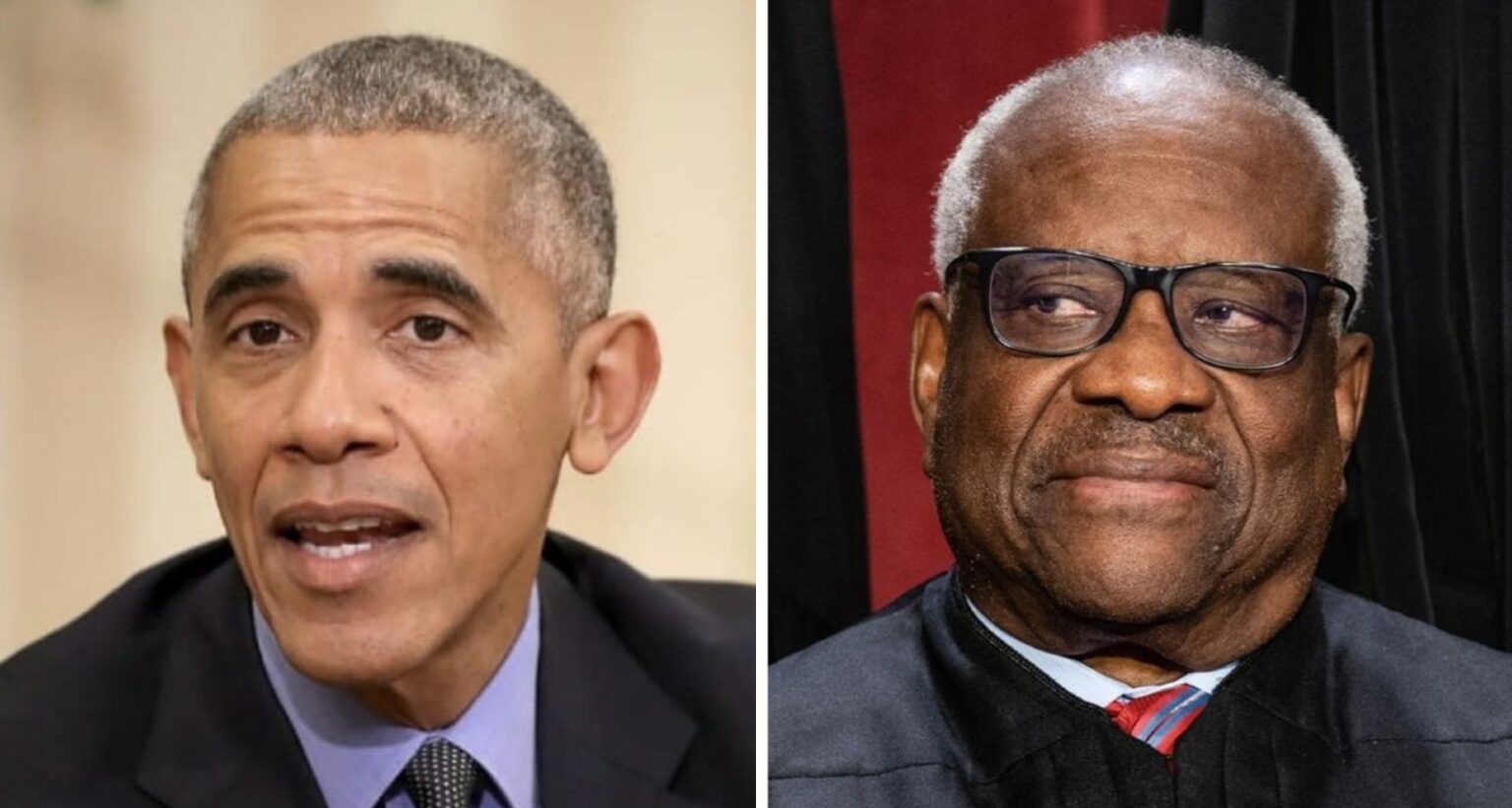
Supreme Court Agrees to Assess Legality of Border "Metering" Restrictions
By Senior Legal Correspondent
WASHINGTON, D.C. — JUNE 5, 2026 — The U.S. Supreme Court has agreed to reexamine a highly contentious immigration policy that historically permitted border agents to systematically regulate and restrict the entry of asylum-seekers at southern international gateways. The decision to grant certiorari follows an explicit petition from President Donald Trump, who requested that the justices overturn a Ninth Circuit Court of Appeals ruling that classified the legacy protocol as structurally illegal.
The legal showdown positions executive flexibility against judicial supervision over federal borders. The core debate evaluates "metering"—an administrative tactic designed to physically control processing volume at official ports of entry by requiring migrants to wait outside U.S. territory.
I. The Constitutional Threshold: Sauer Challenges Judicial Overreach
The Trump administration’s legal architecture emphasizes that immigration governance belongs firmly within the political branches of government rather than local judicial benches. In filings brought before the High Court, U.S. Solicitor General John Sauer mounted a strict separation-of-powers defense, asserting that lower courts overstepped their boundaries by micromanaging frontier gateways.
“The Constitution delegates the power to regulate the border to the political branches, not the judiciary.” — John Sauer, U.S. Solicitor General
Sauer argued that the current legal precedent established by the lower court creates an unmanageable standard, essentially preventing Customs and Border Protection (CBP) from restricting unscheduled arrivals. Under the lower court's reasoning, an individual presenting themselves at a physical port without an appointment could demand immediate processing. Sauer maintains this framework undermines legislative authority and allows migrants to bypass standard scheduling queues.
II. Historical Chronology of Port-of-Entry Processing
Though heavily utilized during the first Trump term, the historical foundation of the turnback practice originated under the Obama administration to address an unexpected immigration emergency.
The statutory conflict is grounded in the Immigration and Nationality Act, which outlines that individuals present "in the United States," irrespective of status or location, retain a legal right to apply for asylum if they establish a well-founded fear of persecution. The executive branch argues that migrants physically turned back at the edge of international ports have not technically entered or arrived "in the United States," placing them outside the mandatory processing obligation.
May you like


III. The Threat to Modern Scheduling Systems
Beyond legacy practices, the Trump administration warned the Supreme Court that leaving the Ninth Circuit’s decision intact could disrupt modern border management. Specifically, the feds argue that if the government lacks the inherent right to turn away unscheduled port arrivals, modern processing mechanisms—including the Biden-era CBP One application designed for appointment scheduling—could be legally undermined.
Conversely, the immigrant rights organization Al Otro Lado and the core plaintiffs continue to defend the appellate court's restrictions. Legal teams representing the class argue that turning back migrants constitutes an illegal strategy to avoid statutory commitments, stranding vulnerable populations in high-risk border regions. Arguments before the Supreme Court are expected to commence in the upcoming term, delivering a definitive ruling on the limits of executive power over territorial entry points.


